

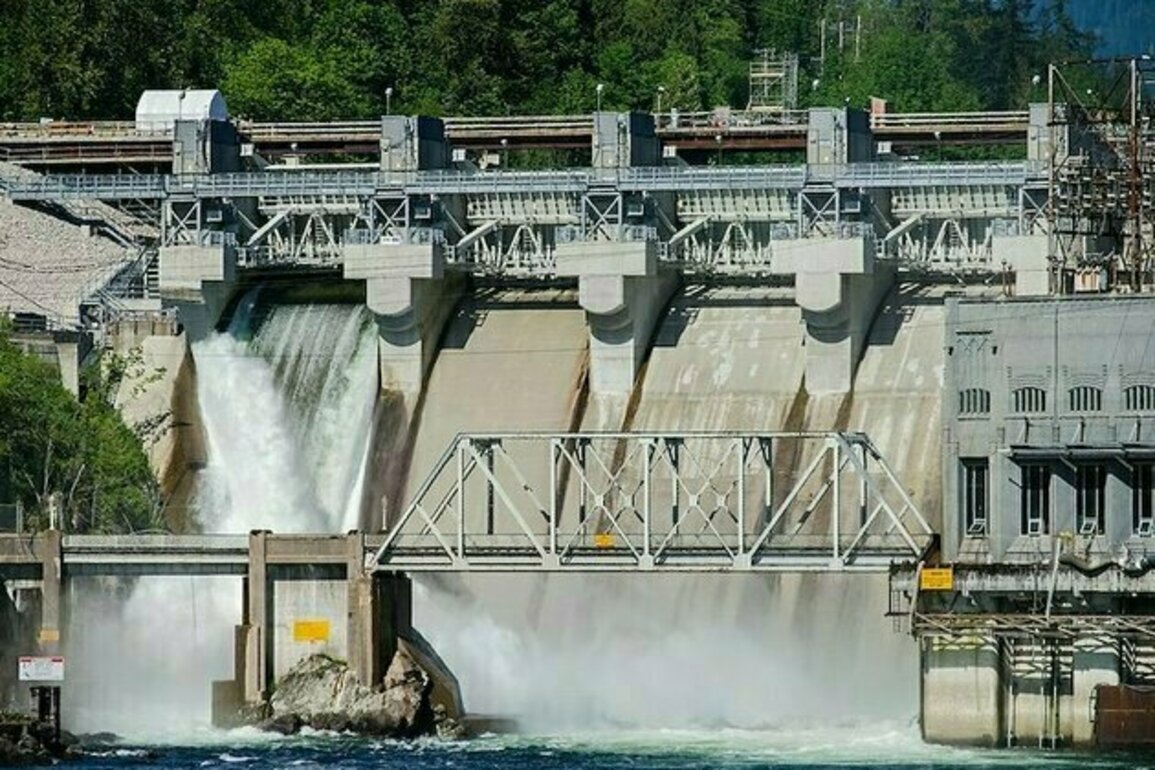
British Columbia could be forced to buy electricity from the United States for the third summer in a row, an expert warns, after drier, warmer weather across much of the province last month contributed to an early melt.
The local conditions raising concern for widespread drought this summer, The Canadian Press reports, citing the province's latest snowpack and water supply bulletin.
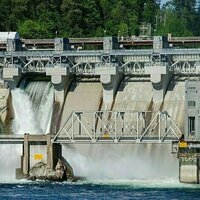
The drought is curtailing B.C.'s ability to generate hydroelectricity, said former provincial environment minister Barry Penner, who now chairs the Energy Futures Institute. That puts B.C. is on track to become a net importer of electricity in 2025, buying it from the United States, for the third consecutive year.
The power gap comes as U.S. President Donald Trump is threatening Canadian sovereignty, and after Trump slapped steep tariffs on Canadian goods, Penner said.
"We have someone in the White House who's actively threatening our country, economically," he told CP Monday.
"And right now in B.C., it's us on the receiving end of (electricity) from the United States. It's not the other way around on a net basis."
Penner likened snowpack to "electricity in the bank." In times of drought, he said provincial utility BC Hydro holds water in its reservoirs so it's there during peak periods.
"They're holding back and importing to make up the difference."
The latest provincial bulletin shows snowpack was an average of 71% of normal as of May 1, decreasing from 79% of normal on April 1.
The figure is slightly higher than last year, when B.C.'s snowpack was an average of 66% of what would be normal on May 1.
By early May, the bulletin said about 5% of B.C.'s annual snowpack has typically melted, but 15% was gone by the start of this month.
The low snowpack, early snowmelt, and warm seasonal weather forecasts all point to "elevated drought" this summer, the bulletin concludes.
Rivers on Vancouver Island, the South Coast, and in northeastern B.C., where snowmelt is not a significant contributor this spring, are flowing "at or near record low levels for early May," the bulletin notes.
Penner said drought is a factor in B.C.'s declining electricity generation.
"If you look at BC Hydro's annual reports, you can see it. We've had a significant reduction in how much electricity we're actually making."
That drop coincides with growing demand for power, Penner said, noting peak demand in the summer is increasing as more people buy air conditioners.
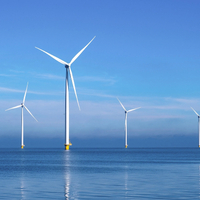
Last week, the B.C. government announced a second call for renewable power with a target of generating up to 5,000 gigawatt hours per year-just under the 5,100 gigawatt hours the massive Site C dam in northern B.C. is expected to generate.
It follows a request for proposals in 2024 that resulted in 10 new renewable energy projects partly owned by First Nations.
Penner said news of the second call so soon after the first is a signal the government is aware of a "serious issue" and it's trying to respond.
Still, Penner said it will take some years for the projects to come online.
The snowpack bulletin said spring and summer temperatures and precipitation will also be key factors that will influence drought conditions.
Seasonal weather forecasts from Environment Canada in late April indicate a greater likelihood of above-normal temperatures in B.C. through July, it said.
The bulletin said May is forecast to be wetter than normal in parts of northern B.C., but drier in the south.
Snowpack levels on May 1 were under 60% or "well below" normal in the Upper Fraser West, Lower Thompson, Nicola, Bridge, Skagit, Central Coast, Similkameen, and Skeena-Nass basins, the bulletin said.
There is no elevated flood risk based on the current snowpack. However, in areas with low snowpack, the bulletin notes key flood risks shift toward heavy rain, either short-duration events or prolonged periods of wet weather.
"It is important to note that May and June are wet months through the B.C. Interior with the potential for extreme precipitation patterns," it said, adding the flood season can extend into July in the Rockies and the northeast.
"Therefore, precipitation poses a flood risk through the spring even with limited snowpack," the bulletin said.
This report by The Canadian Press was first published May 12, 2025.
Source: The Energy Mix