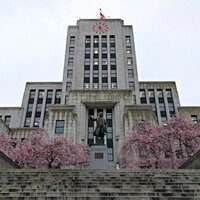


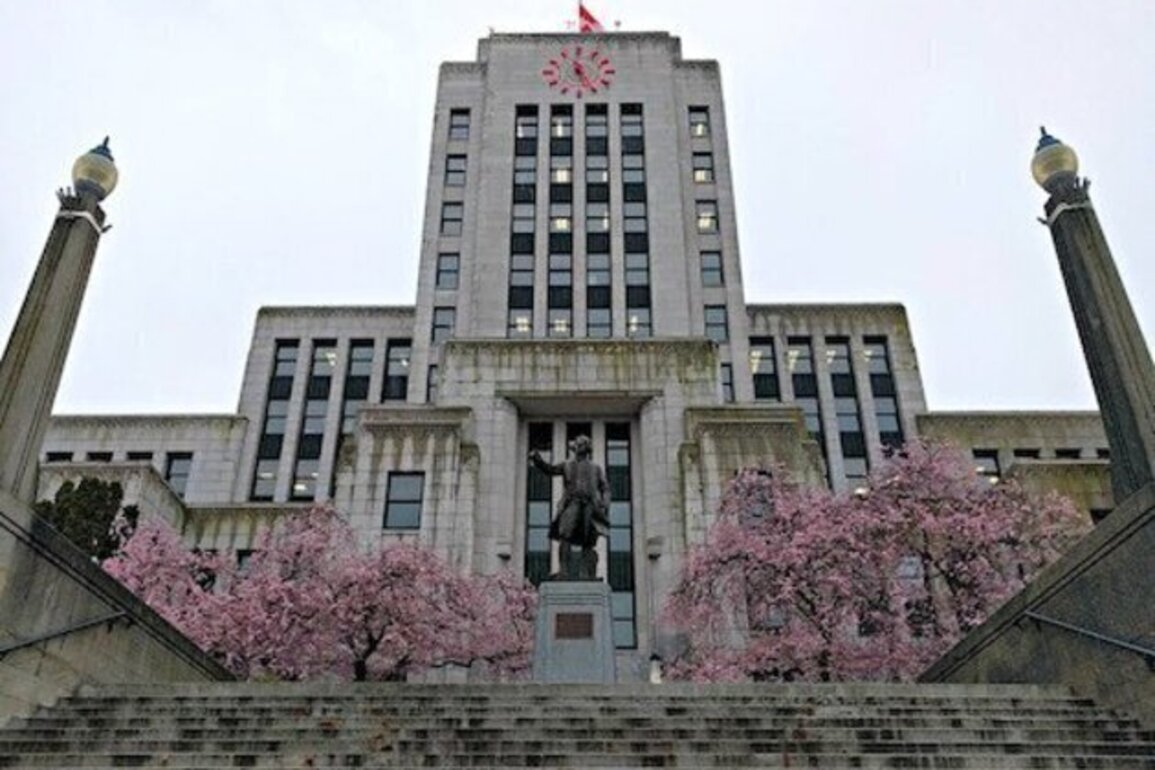
Vancouver Mayor Ken Sim's proposed "Zero Means Zero" budget, which aims to freeze property taxes in 2026 by cutting or eliminating city services, possibly including the community's climate and sustainability office, prompted an unprecedented turnout at a special city council meeting, with more than 600 residents signing up to speak.
By 9 PM local time Wednesday, Nov 12, an overwhelming majority voiced strong opposition to Sim's approach, which made headlines a day earlier as news circulated of his planned 14% cut to the Planning, Urban Design and Sustainability budget line, among others.
"We are expecting huge outright cuts that will result in the elimination of programs like the equity office and the sustainability and climate change planning altogether," opposition councillor Pete Fry said Tuesday in a social media post.
Sims referred to the cuts to sustainability efforts as a "false narrative," while city staff indicated they could not provide details about the impact on "specific teams or positions." Residents at the council meeting repeatedly called for more information about the impact of the proposed budget on jobs, programs, and services.
"As with the proposed gas ban reversal decision exactly one year ago, it is not transparent whose interests Sim's proposed budget is serving," Vancouver resident Tarlan Razzaghi told The Energy Mix. "And that feels very uncomfortable as a resident and a parent in the current political climate."
"If Mayor Sim spent time in our communities, at our playgrounds, schools, community centres, public libraries, and beautiful parks, he would know that this political gimmick is not what families in Vancouver want."
Budget documents show [pdf, page 19] that the majority of 6,346 residents and business owners responding to a city survey indicated their support for "some increase in property tax to offset a reduction in services," with 42% of those preferring a 5% increase that would maintain the current level of services. However, council's Oct. 8 motion directed city staff to put forward a budget with no increase to property taxes.
It will inevitably lead to cuts affecting the city's most vulnerable communities and families, said multiple speakers representing city workers, community groups, business owners, and individual residents.
It also threatens the gains Vancouver has made, not only in driving down greenhouse gas emissions but also in related economic progress, said George Benson, senior manager, economic development and market transformation at the Zero Emissions Innovation Centre (ZEIC).
"Climate action and sustainability have been key drivers of innovation in Vancouver's economy for decades," Benson told The Mix. "Vancouver's homebuilding industry has cited the city's performance-based energy and emissions regulations as contributing to their competitive edge within the region. The results are clear: between 2010 and 2025, the number of green jobs in Vancouver more than doubled, and could be on track to continue-if businesses retain their confidence in the approach."
"While we don't know the exact nature of what the proposed budget will mean in terms of staffing or programs, we do worry that potential cuts will create uncertainty and drive businesses to invest elsewhere."
The city's 2025 report on its Climate Emergency Action Plan (CEAP) states that "climate action creates jobs and saves money," adding that "Vancouver residents saved C$16.5 million in energy costs in 2023 compared to 2007, in part due to City of Vancouver-driven energy efficiency upgrades and infrastructure improvements to support walking, cycling, and transit."
On Nov. 5, Sims announced Vancouver's adoption of the Cool Cities and Urban Planning initiatives, run by the C40 Cities climate action network.
"Through many of our city's major initiatives, we're taking meaningful steps to make Vancouver a greener, safer, and more resilient city," said at the time. "We're proud to work alongside other leading C40 cities to keep pushing this important work forward."
That commitment to climate action needs to be honoured, Razzaghi says.
"We cannot forget that the city's current climate plans were hard fought by students in the city and we as parents have a responsibility to ensure that commitment to them is kept at every election cycle."
Pending presentations by each of the remaining citizens registered to speak, Council will debate and vote on the proposed 2026 budget on Nov. 25, 2025.
It helps us measure & strengthen the impact of our reporting.
Have more to say? Email [email protected]
Source: The Energy Mix