

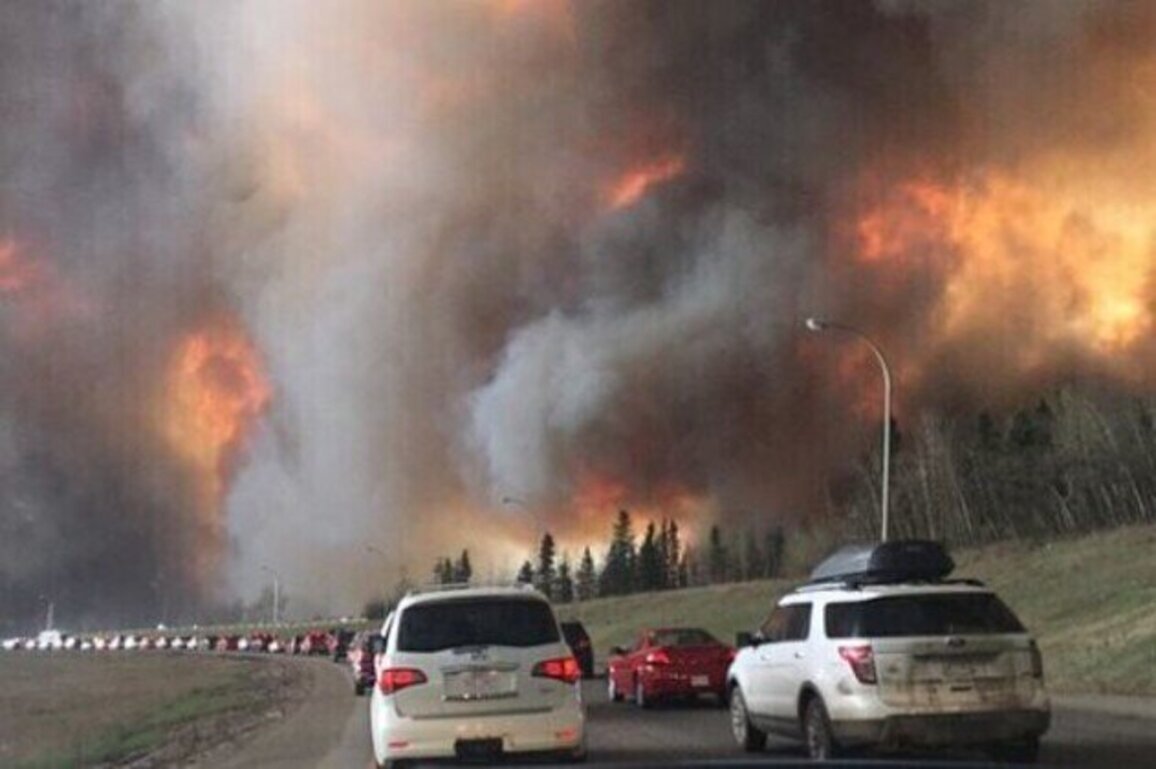
A decade on from the devastating Fort McMurray wildfire in Alberta, and five years on from the incineration of Lytton, British Columbia, Canadians are in ever greater need of a national disaster relief agency to support them and their communities through the climate disasters that lie ahead, says insurance executive Susan Penwarden.
As Canada marks the 10th anniversary of the worst wildfire in its history, the country persists with a disaster response that is both "patchwork" and "stretched thin," writes Penwarden, managing director, personal lines, at Aviva Canada, in a recent op-ed in The Hill Times.
Canada's insurance industry understands the financial stakes: Aviva recorded a +1,900% increase in wildfire claims in the past five years compared to the previous five, Penwarden writes.
The absence of a coordinated national strategy is having grievous consequences, Penwarden adds. Existing support feels "bureaucratic and unhelpful" to those struggling to recover from extreme weather impacts. Time slips away, resources take forever to get where they are needed, and Canadians can find themselves still unable to return from their homes, years after an extreme weather disaster.
Nowhere is this clearer than in Lytton, which was burned to the ground by wildfire in 15 minutes on June 30, 2021. Shattered by a catastrophe that killed two of its residents, sent thousands fleeing, and razed 90% of its structures, Lytton's effort to rebuild was hamstrung from the start by the province's assumption that it would be able to lead its own recovery.
Officials in the tiny hamlet some 260 kilometres northeast of Vancouver were "immediately overwhelmed by the magnitude of devastation," lacking both the necessary staff and funds, according to a report issued by the office of B.C. Auditor General Bridget Parrish in mid-March this year.
But when the province stepped in, its efforts were hampered by the absence of a comprehensive legal framework to guide disaster recovery. Existing laws and policies were "not sufficient to guide the complex and unprecedented recovery of a whole community," the report found.
Three years after the disaster, only a "handful of people" had returned to an area that was once home to roughly 2,500, including Lytton First Nation, which was itself ravaged by the wildfire.
As the fifth anniversary of Lytton's destruction approaches, "another disaster" is lurking in plain sight, reports The Globe and Mail.
While the desire "do something for Lytton" is "laudable," writes the Globe's editorial board, pointing to some $50 million in promised infrastructure dollars as evidence of the good intentions of provincial and federal governments, all parties should think twice before building amenities that Lytton will ultimately be unable to maintain or operate because of an insufficient tax base, the board says.
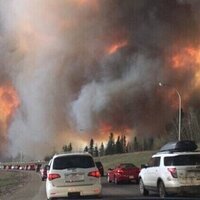
While the residents of Fort McMurray who endured the May, 2016 fire known as The Beast remain haunted by the memories of that apocalypse, the city-ground zero for Canada's oil sands industry-was an economic juggernaut before the blaze, and has rebounded.
Lytton, by contrast, was in deep financial trouble before wildfire brought it to its knees. It could yet be destroyed a second time if cooler heads don't prevail as its recovery inches forward, warns the Globe.
With a national disaster relief agency in place, shambolic responses such as what Lytton has endured would no longer occur, Penwarden writes. The federal government has acknowledged this since at least 2019, she adds. But actual progress remains underwhelming, with disaster response items funded in the 2025 federal budget limited to "incremental upgrades to alert systems and new water bombers."
Source: The Energy Mix