

A new industry-informed roadmap lays out the steps to electrifying space and water heating in buildings across British Columbia over the next 20 years, reducing reliance on fossil fuels with volatile prices and improving living conditions across the province.
The 2026 Building Electrification Roadmap, released in April by the Zero Emissions Innovation Centre (ZEIC) through its Building to Electrification Coalition (B2E) aims to cut emissions from the building sector, which trails only transportation sector, oil and gas, and manufacturing and heavy industries among B.C.'s top-emitting sectors.
B2E-which brings together industry experts, community housing providers, contractors, vendors, lenders, researchers, policymakers, and utilities-notes that B.C. has a strong foundation for undertaking its strategy, and that new buildings are already being built with electrification and energy efficiency in mind.
"We're lucky enough to live in a province with one of the one of the cleanest grids in North America," roadmap co-author Tom Berkhout, an energy and climate consultant, told a recent webinar. "And so every time a building switches from gas or another fossil fuel to electricity, it's instantaneously, dramatically reducing its greenhouse gas emissions."
The switch away from fossil fuels ensures greater stability for ratepayers: The roadmap states that electricity prices in B.C. are far more predictable than gas prices, which are inherently volatile because they are tied to global commodity markets and subject to additional delivery, storage, and transportation costs. Between 2021 and 2023, the gas price charged to FortisBC residential customers increased more than 80%, followed by a 55% decrease in 2024, after which it stabilized, the report states.
At the time the roadmap was drafted, gas costs were 2.7 times lower than electricity, but faced the added risk of price volatility. "This increases the risk of cost fluctuations for residents and businesses who rely on it for heating."
Electrification solutions like heat pumps see greater uptake when the price gap between electricity and gas narrows, finds the report. While the B.C. consumer carbon tax was in effect, one study found that 66% of participating homes saw equal or reduced energy costs [pdf] on switching from a gas boiler to a heat pump. The roadmap authors say there's been no comparable study since the province suspended the tax in April 2025, but one modelling study from last December found [pdf] that "almost all households in B.C." would see lower energy bills by switching to heat pumps instead of using gas and conventional air conditioning.
Improved energy efficiency would help reduce electricity use overall, so it would also bring down costs.
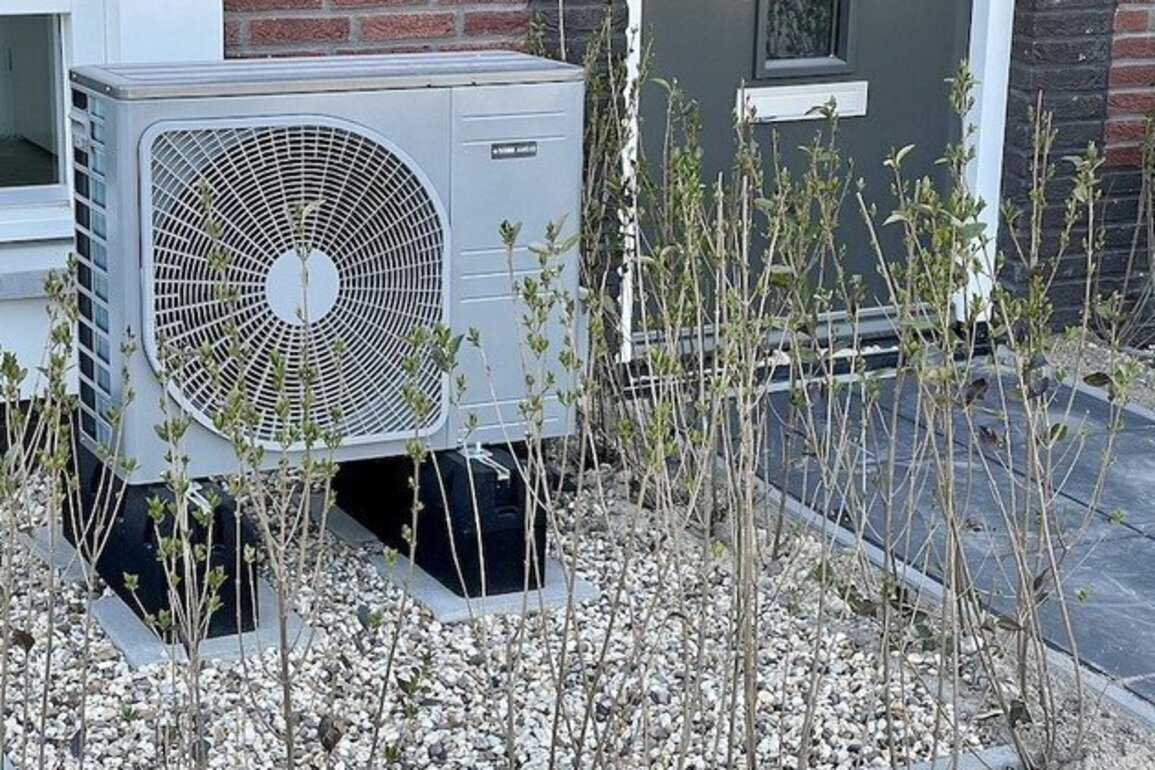
And in a province increasingly affected by deadly heatwaves and smoke-filled wildfire seasons, switching to heat pumps offers important health and safety benefits. Heat pumps provide clean heat during the winter, but also cool buildings in the summer, especially when residents are forced to shut windows to keep out dust and wildfire smoke.
Implementing the plan will also create jobs, B2E writes. But electrification needs to be combined with other measures, it adds, including energy efficiency, onsite renewables, district energy systems, renewable natural gas for hard-to-electrify buildings, and electricity load management and storage.
"It's not just a matter of replacing a gas furnace with an electric furnace," Berkhout said. "Those days are long behind us."
The roadmap considers electrification's impacts on affordability and regional capacities, writes B2E. For instance, upfront costs to purchase heat pumps can make them too expensive. One solution would be for the B.C. government and provincial utility BC Hydro to explore [pdf] on-bill financing tied to a home's electricity meter. For strata buildings (also known as condos outside B.C.), the roadmap suggests innovative financial mechanisms like government loan guarantees.
All actions must be tailored to reflect needs in different regions, write the authors. "What works for milder climates in the more densely populated southern regions of B.C. may not directly fit in the north or in B.C.'s interior."
Acknowledging concerns about BC Hydro's ability to support widespread electrification-especially as data centres and liquified natural gas facilities add to demand-the authors say the roadmap's generous time frame overcomes this challenge, allowing the province to add capacity gradually.
"The roadmap indicates that B.C. is already on a strong trajectory toward widespread building electrification," writes B2E. But timely action on its recommendations is critical to reap the full benefits.
Source: The Energy Mix